Autism & Diagnostic Assessments

Welcome to Servisource Autism Assessment Centre

We provide professional, compassionate assessments for children and young people across Ireland, supporting families through both HSE and private pathways. Find what you need below

About Us

Our story, values and experience

Our Services

Find the right assessment for you

Your Journey with Us

Guidance tailored to your needs

Get in Touch

Contact details and clinic locations

Resources and FAQs

Support and useful resources

Careers

Opportunities to grow with us

About Us

The Autism Assessment Centre is part of the Servisource Group, a healthcare provider with 25 years of expertise supporting families and services across Ireland.

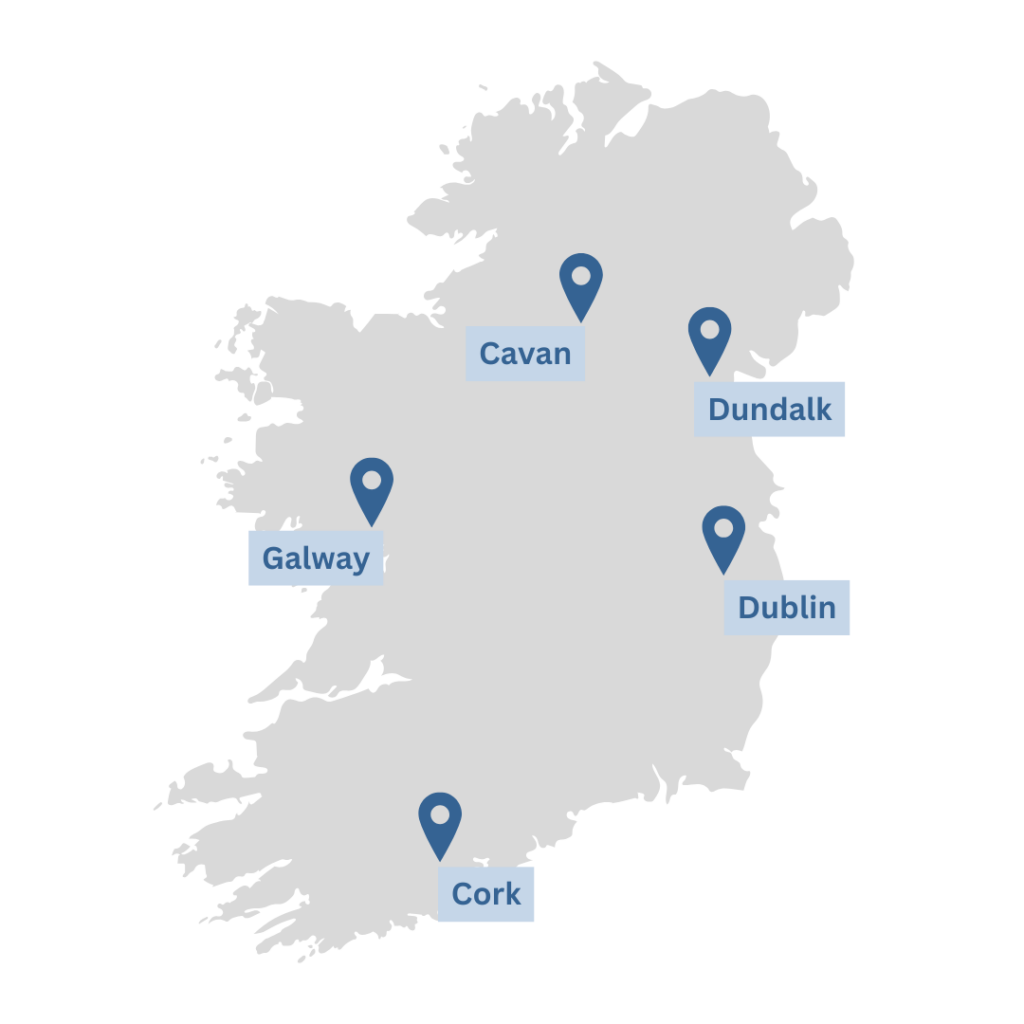
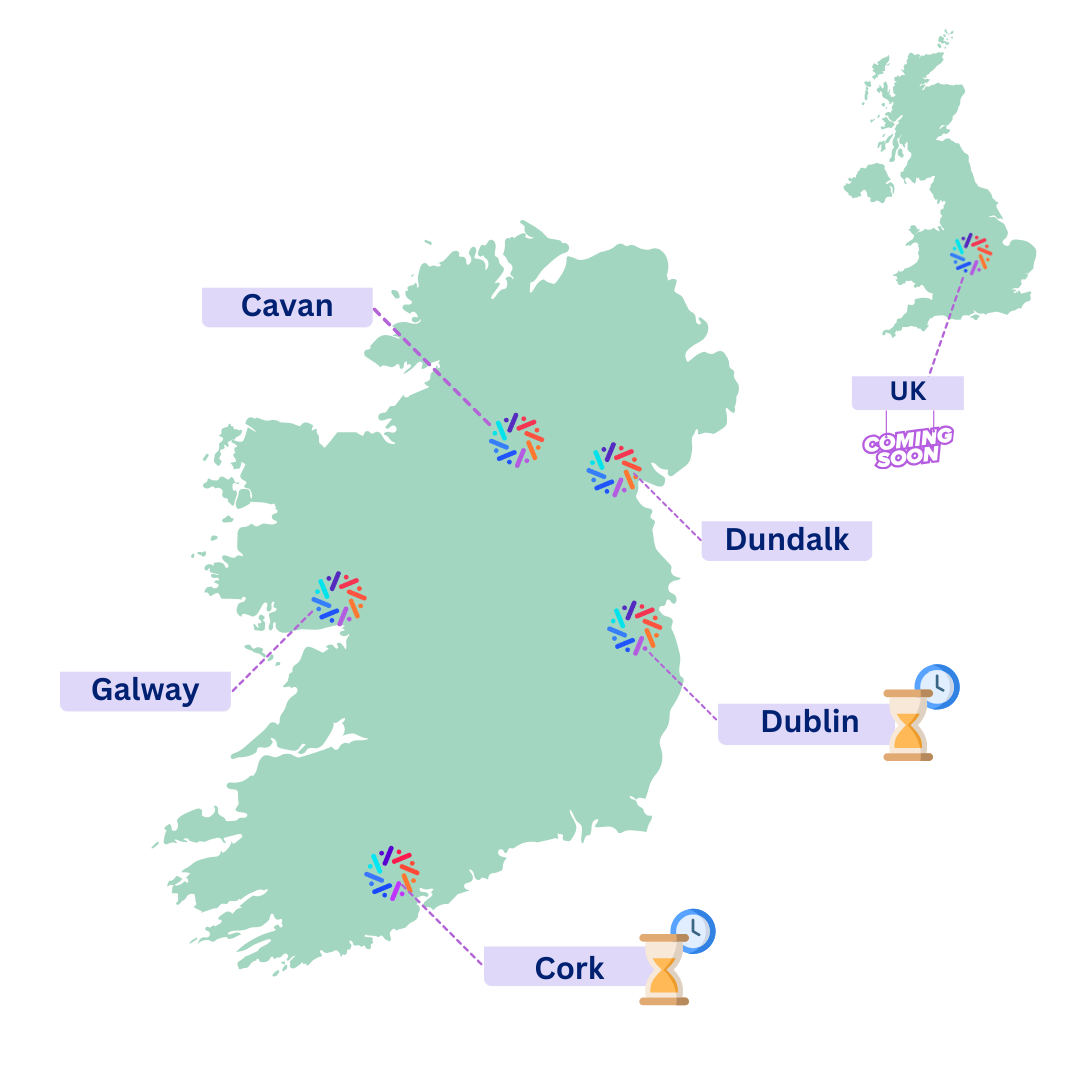
Our multidisciplinary team of PSI and CORU registered clinicians brings together extensive experience across psychology, speech and language therapy, and occupational therapy. We operate from five clinic locations nationwide, in Dublin, Cork, Galway, Dundalk, and Cavan, providing accessible, high-quality assessments to families regardless of where they are based.

As a HSE-approved provider under the National Bespoke Panel Arrangement, our reports meet the current criteria for Primary Care, Children’s Disability Network Teams (CDNTs), and Special Educational Needs Organisers (SENOs), giving families the clear outcomes and practical next steps they need.

Our Core Values

Understading

We understand the process can feel overwhelming, so we aim to make it as clear, supportive and comfortable as possible.

Empathy

We take the time to listen to and support every child and family with care, respect, and understanding.

Professionalism

Our clinicians are experts in their field and bring with them years of experience, advanced skills, and an outstanding knowledge base.

Quality

Our assessments are completed using standardised measures as recommended by requisite professional societies and our reports are written to HSE standard.

Our Services

An Autism assessment is a multi-step process that includes information from a variety of sources. We include background information gathered from documents like a developmental history form, previous assessment reports and information from parents during intake. We also request a written report from school personnel who know the child well. Observation data taken during interactions with the child is included as are any standardized assessment results conducted by our staff. There are two main tools used during a basic autism assessment, the ADI-R (Autism Diagnostic Interview-Revised), and the ADOS-2 (Autism Diagnostic Observation Schedule), ).

The ADI-R is an extended interview completed by an experienced clinician with a child’s or young adult’s parents/guardians. This online meeting (via phone call or video call) lasts between 1.5-2.5 hours. The clinician will ask you a series of background questions about your child’s development, behaviour, and milestones, especially when they were 3 to 5 years old.

The ADOS-2 is a semi-structured, standardised assessment of communication, social interaction, play/imagination, and self-expressive body language behaviours for individuals who have been referred for assessment of autism. It consists of standard activities that allow the clinicians to observe behaviours that have been identified as important to the diagnosis of autism according to developmental levels and chronological age. The ADOS usually could last between 30-45 minutes for children aged 5 and below, and 45-60 minutes for older children.

The ADOS and ADIR are only one part of the Autism assessment, clinicians cannot provide any feedback after each meeting as they need to gather more information from other sources.

A cognitive assessment can provide insight into your child’s thinking and information-processing abilities. This information can be instrumental in making informed decisions about your child’s education. This assessment could last between 1-1.5hours and parents are not an active part of the assessment.

This assessment also includes an adaptive functioning assessment. This measures adaptive behaviour, the ability to participate in activities of daily life. It involves completing an online questionnaire that focuses on your child’s daily routines and activities.

A psycho-educational assessment is intended to provide valuable information about how your child thinks and learns. It includes two tests which can be done on the same day or separately depending on your schedule.

First, we will conduct a cognitive assessment to determine your child’s thinking, reasoning, and processing skills. Next, we will evaluate their academic skills in reading, mathematics, and spelling, as well as written and oral language where indicated. Such an assessment can lead to a diagnosis of a Specific Learning Disability in reading (Dyslexia) and/or maths (Dyscalculia) in children ages 4 to 16 years.

Each part of the assessment takes 1.5 hours to complete. We highly recommend that you check with your child’s school to confirm they will accept the results and provide intervention prior to booking the assessment.

Speech and Language Therapists work with individuals who may be experiencing a range of differences in relation to their speech, language and communication skills. Below are just a few examples of individuals who may benefit from a speech and language therapy assessment:

Children who are at the pre-verbal stage of language development and are communicating primarily through non-verbal means, for example by taking an adult by the hand to show them what they want or by reaching, pointing or gesturing to what they want.

Children who can use a few single words but are delayed in their language development.

Children who can combine words together and use phrases, but their overall language development is delayed.

Children who have challenges with understanding language used by others, for example they may have issues understanding single words or understanding and following through on instructions given by their parents or teachers.

Children who are communicating verbally using words and sentences, but they may have speech errors which can make it challenging for others to understand their speech.

Individuals who communicate verbally, but who may have challenges with the social aspects of language, for example they may have differences with having back and forth conversations or maintaining topics in a conversation.

Depending on your child’s age, the assessment will involve the clinician conducting a series of speaking and writing tasks to measure their language, communication and speech skills. This assessment could last between 1 – 1.5 hours.

Occupational Therapists help children to participate in their daily meaningful occupations including play and learning, environmental exploration, self-care (e.g., feeding, dressing), and school (e.g., handwriting, self-organisation, P.E.). The purpose of a paediatric occupational therapy assessment is to assist a child to achieve independence across their home, school, and community environments. An assessment will explore the following areas:

Fine and gross motor development

Play skills

Sensory processing

Visual perceptual skills in relation to handwriting

Executive function skills, including planning, organisation, and time management

Self-care and functional skills, including feeding, toileting, and dressing

The assessment analyses your child’s motor skills, visual perceptual skills, play skills, sensory processing needs and will also include, if needed, parental questionnaires and interviews about your child’s sensory processing needs, self-care skills and other areas. This assessment could last between 1 – 1.5 hours long and parents are not usually an active part of the assessment unless this is requested.

Your child should wear comfortable clothing and footwear, bring glasses if they wear them and a drink.

Your Journey with Us

We understand how important trusted guidance can be when concerns arise about a child’s development. Our aim is always to provide clarity, reassurance, and practical support tailored to each child and family, helping them feel informed and supported at every stage of the journey.

Whether you are accessing our service through the HSE waitlist or private pathway, our team will take the time to guide you through the process and help you understand the most appropriate next steps for your child.

Our PSI and CORU registered clinicians provide:

Comprehensive multidisciplinary assessments
Detailed, high-quality reports
A feedback session to discuss the findings and recommendations

Step by Step Process

1. Gathering Documentation

Once we receive your child’s referral information from the HSE, a member of our team will contact you to explain the assessment pathway and talk you through the next steps.

In line with the HSE National Consent Policy, consent is required from both parents or legal guardians before the assessment can begin. Young people aged 16 and over must also provide consent for their own assessment.

You will then be asked to complete a case history form, which gives our clinicians important background information about your child’s development, needs, and presentation. This form must be completed before assessment appointments can be arranged.

For some assessments, information from your child’s school is an important part of the process. With your consent, we may contact the school to gather information about your child’s communication, behaviour, sensory profile, and overall presentation in the school environment.


2. Appointments

Once all required documentation has been received, assessment appointments will be arranged. The number and type of appointments will depend on the assessment pathway recommended for your child.


3. Report Writing

When all parts of the assessment have been completed, our multidisciplinary team will review the information gathered and prepare a detailed report. This report includes relevant background information, assessment findings, conclusions, and recommendations. Where appropriate, it will also include a diagnosis.

Our reports are completed to a high professional standard and are designed to meet the requirements of relevant HSE services and educational supports.

Report writing can take up to 6 weeks after all assessment elements have been completed. This timeframe may vary depending on the complexity of the assessment and the amount of information that needs to be reviewed.


4. Feedback and next steps

Once the report is complete, a feedback meeting with the assessing clinician will be arranged to talk you through the findings, recommendations, and next steps. This gives you an opportunity to ask questions and gain a clear understanding of the outcome.

The final report is issued securely by encrypted email after the feedback meeting. Reports are not sent directly to schools, as this remains the choice of the parent or guardian.

Where needed, follow-up clarification can also be arranged with the clinical team within two weeks of the original feedback meeting.


1. Case Review

The first step is to complete a case history form, which provides our team with important background information about your child’s development, current needs, and any concerns you may have. This information is reviewed by a psychologist, who will recommend the most appropriate assessment pathway for your child.


2. Confirmation of service and deposit

Once the recommended assessment pathway has been agreed, a deposit is required to secure a place on the waiting list.

In line with the HSE National Consent Policy, consent is required from both parents or legal guardians before the assessment can begin. Young people aged 16 and over must also provide consent for their own assessment.

For some assessments, information from your child’s school is an important part of the process. With your consent, we may contact the school to gather information about your child’s communication, behaviour, sensory profile, and overall presentation in the school environment.


3. Appointments

Once the necessary information has been received, assessment appointments will be scheduled. The number and type of appointments will depend on the assessment pathway recommended for your child.


4. Report writing

When all parts of the assessment have been completed, our multidisciplinary team will review the information gathered and prepare a detailed report. This report includes relevant background information, assessment findings, conclusions, and recommendations. Where appropriate, it will also include a diagnosis.

Our reports are completed to a high professional standard and are designed to provide families with clear outcomes and practical next steps.

Report writing can take up to 6 weeks after all assessment elements have been completed. This timeframe may vary depending on the complexity of the assessment and the amount of information that needs to be reviewed.


5. Feedback and final report

Once the report is completed, a feedback meeting will be arranged to talk you through the findings, recommendations, and next steps. This gives you an opportunity to ask questions and gain a clear understanding of the outcome.

The final report is issued securely by encrypted email after the feedback meeting and when the outstanding balance has been paid. Reports are not sent directly to schools, as this remains the choice of the parent or guardian.

Where needed, follow-up clarification can also be arranged with the clinical team within two weeks of the original feedback meeting.

Locations

We currently have clinics located in Cavan, Cork, Dublin, Dundalk, Galway, ensuring accessibility and convenience for families nationwide.
View our contact details below.

Contact Us

If you would like to register your interest in having your child assessed, please complete our referral form.

Once the referral query is received, our team will carefully review the information provided to determine the most appropriate assessment for your child. We will then contact you with our recommendations and the next steps.

For general queries, you can email us at Info@autismassessmentcentre.ie.

For queries related to joining our team, you can email us at Jobs@autismassessmentcentre.ie

Call us on 1800 275 275

If we cannot take your call, please leave a voicemail and we will get back to you as soon as possible.

Resources

Trusted charities, reads and resources to help you along the way. You may also find answers to your questions in our FAQs below.

AsIAm (Ireland’s Autism Charity)

AsIAm is Ireland’s national autism charity, providing evidence-based advice, resources and guidance for Autistic people and their families. They advocate for inclusion and the full participation of Autistic people in Irish society. www.asiam.ie


ASD Ireland

ASD Ireland is a national charity dedicated to supporting Autistic people and their families through a wide range of community-based and therapeutic services. Their work includes weekly movement groups, psychotherapy and counselling, and creative programmes such as music therapy, all designed to promote wellbeing and connection. They also offer practical supports like guidance with parking permits, an Autism ID card for use in public settings, and their renowned Autism Friendly Initiative, which helps businesses and organisations create more inclusive environments. In addition, ASD Ireland provides training, awareness and employment programmes aimed at empowering Autistic individuals and building understanding within workplaces and communities. www.asdireland.ie


Sensational Kids

Sensational Kids is a national children’s charity providing affordable therapy and intervention services for children with additional needs. They operate child development centres in Kildare, Mayo, West Cork, and Monaghan, offering speech and language therapy, occupational therapy, and play therapy.
www.sensationalkids.ie


National Autistic Society Amazing Things Happen

This is a 4-minute video available on YouTube about how everyone is different. It is an amazing introduction to understanding Autism, and to explaining the diagnosis to a child or their siblings:


“The Awesome Autistic Go To Guide: A Practical Handbook for Autistic Teens and Tweens” (Yenn Purkis)

“Standing up for myself: A book for neurodivergent kids and teens about boundaries, personal space, consent, power play and standing up for themselves” (Evaleen Whelton)

“Different Like Me: My Book of Autism Heroes” (Jennifer Elder)

The National Autistic Society (NAS) (www.autism.org.uk) also have resources and information on Autism freely available.

Parents and extended family members may wish to avail of free Parent Training courses that are provided online by Middletown Centre for Autism. Details of courses are available on their website www.middletownautism.com.

FAQs

What is the waiting time for assessments?

Once we have received the completed Case History Form, our staff will call you to answer any questions you may have about the process and book you in for the required appointments in the next available slots. These could be 3-4 weeks away depending on clinician and family availability.


I cannot make one of the assessments/I need to cancel or reschedule

If for any reason you cannot make an assessment you have been booked in for, please reach out to the Servisource staff member who made your booking to explain your reasons and discuss possible solutions.

If you cancel your appointment less than 24 hours beforehand, or miss your appointment without valid reason given, we will be required to refer your case back to the HSE and the process will not proceed with Servisource.


How do I get started with a private assessment?

You can contact our team directly or complete our referral form. Once we receive your enquiry, we will review the information provided and guide you towards the most appropriate assessment pathway for your child.


What is the cost of the assessments and how do we pay?

As we offer multiple assessments, we can discuss this with you in the initial phone consultation and give you a full price list according to your needs.

Once the services are agreed upon, we create an invoice for you. Payment can be done in instalments and is made through bank transfer. We do not provide refunds for any payment made.


Can my insurance cover the assessment?

We advise you to check directly with your insurance to see whether they may cover the cost/some of the cost of the assessment and their specific requirements (e.g. PSI chartered psychologist).


What is the waiting time for assessments?

Waiting times can vary depending on demand and the type of assessment required. Our team can provide you with the most up-to-date information during your initial phone consultation.


My child is 2 years old; can I get an assessment?

Although some children may receive a diagnosis at a younger age, most clinicians do not carry out autism assessments before the age of 3. Children develop at different rates, and there can be many factors affecting early social communication and development.

In some cases, it may be more appropriate to allow further developmental time before proceeding with an autism assessment.


If the psychologist has recommended an autism assessment, does that mean that we will get a diagnosis?

An autism diagnosis requires clear evidence of persistent and clinically significant traits across multiple settings. During the initial review, our clinicians will analyse limited data to decide whether the child would benefit from an assessment to explore a possible autism diagnosis. By proceeding with this assessment through Servisource, parents/guardians understand that the outcome may be that their child does not meet the criteria for an autism diagnosis.


I cannot make one of the assessments/I need to cancel or reschedule

If for any reason you cannot make an assessment you have been booked in for, please reach out to the Servisource staff member who made your booking to explain your reasons and discuss possible solutions.

If you cancel your appointment less than 24 hours beforehand, or miss your appointment without valid reason given, we will be required to apply a rescheduling fee of €200 per clinician.

How do I tell my child about the assessment?

We highly recommend that you discuss the appointment with your child so that they will be prepared for a change in their schedule on the day. We find children who are informed that they will see a new person, and the session goes much smoother. If you can associate the experience with a prior positive experience that may help. For example, you can tell them it will be just like when they go to appointments with (insert name). If you would like, we can send photos of the office and staff to help acclimate them to the new experience. When our staff meet your child for the first time they may ask If they know why they are here but we don’t use the word Autism unless the child says it first. We explain that we are going to play games and ask questions to get to know them better. Our goal is to make the child comfortable and put them at ease as quickly as possible.


What if my child does not engage during the meeting?

Some assessments can take longer or are shorter than others depending on the child’s level of engagement on the day. It could take a child quite an amount of time to become comfortable and interact with the clinicians. We are very sensitive to the fact that the child is in a strange environment with new people. Some are on their best behaviour and some cannot help but become upset. We will take as much time as needed to help your child acclimate to the environment. We may even ask you to join the session to help them feel at ease. On rare occasions, when the child is too upset, we may recommend that you come back on another day to complete the assessment. The goal is for your child to have a positive experience so we can understand their needs and create an accurate profile.


What happens after the assessment?

Once the assessment process is complete, we will organise a feedback session with the clinical team who will explain the report to you in detail, answer any questions you have, and provide you with information, support and guidance for the next steps on your child’s developmental journey.

Recommendations for supports and next steps will depend on the outcome of the assessment. Our reports are completed to a high professional standard and include clear recommendations tailored to your child’s needs.


If my child has any other conditions/diagnoses, for example – ADHD, will this be picked up through the autism assessments and written in the report?

An autism assessment is designed to determine whether your child meets the criteria for autism. It is not intended to diagnose other conditions.

However, if the clinicians identify signs that another assessment may be helpful, such as for ADHD or another area of need, this may be reflected in the recommendations section of the report.


Can I get access to school supports?

Educational recommendations may be included as part of the assessment outcome, depending on your child’s needs and the findings of the assessment. These recommendations will be explained during the feedback session and outlined in the report where appropriate, but it is up to you to make those arrangements and contact the school.

Do you provide ADHD assessments?

At present, we do not offer ADHD assessments.


Do you provide assessments for adults?

Our service is currently focused on children and young people aged up to 18.

Careers

Explore current opportunities to join our team

Senior
Psychologist

Permanent Role

Consultant Child & Adolescent Psychiatrist

Contractor Role

Psychologist


Contract Role

Occupational
Therapists

Contract Role

Speech and Language Therapists

Contractor Role

At Servisource Assessment Centre, we provide families across Ireland with professional, compassionate, and evidence-based assessments in a welcoming and supportive environment.

Our specialised multidisciplinary team delivers person-centred, neuroaffirmative assessments for children and young people up to 18 years of age, with services spanning autism, specific learning disabilities, cognitive, speech and language, and occupational therapy assessments.

As part of the Servisource Group, with 25 years of expertise in healthcare, we are proud to support families through both HSE and private pathways. As a HSE-approved provider under the National Bespoke Panel Arrangement, our team has extensive experience working directly with the HSE and within national service requirements. We produce high-quality reports that meet current criteria for Primary Care, Children’s Disability Network Teams (CDNTs), and Special Educational Needs Organisers (SENO), helping families access clear outcomes, practical recommendations, and next steps.

Request a Callback

"*" indicates required fields

This field is for validation purposes and should be left unchanged.

Where did you hear about us?*